
Vacuum Sintering Furnace
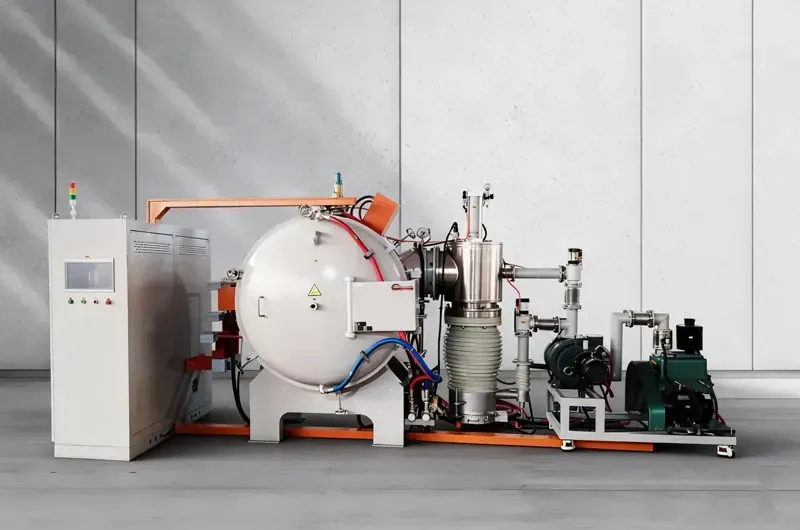
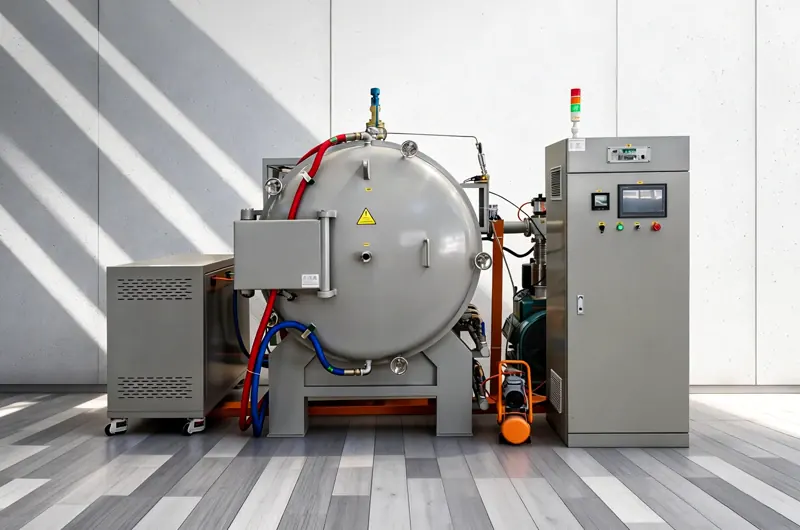
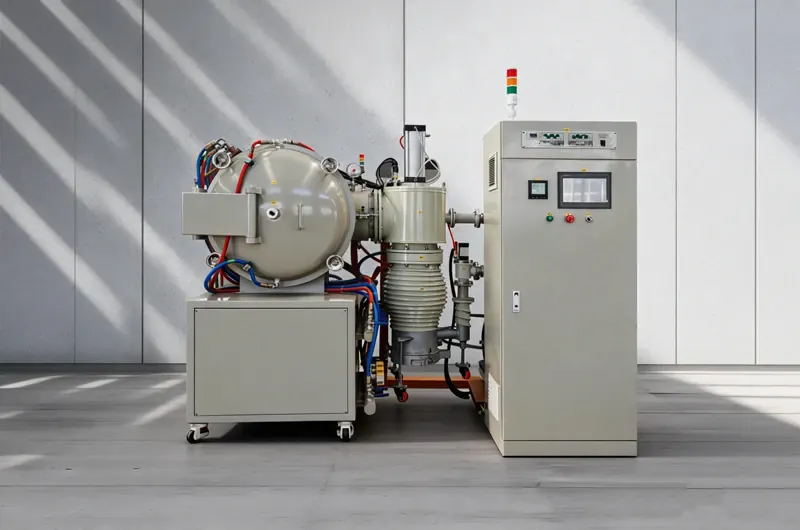
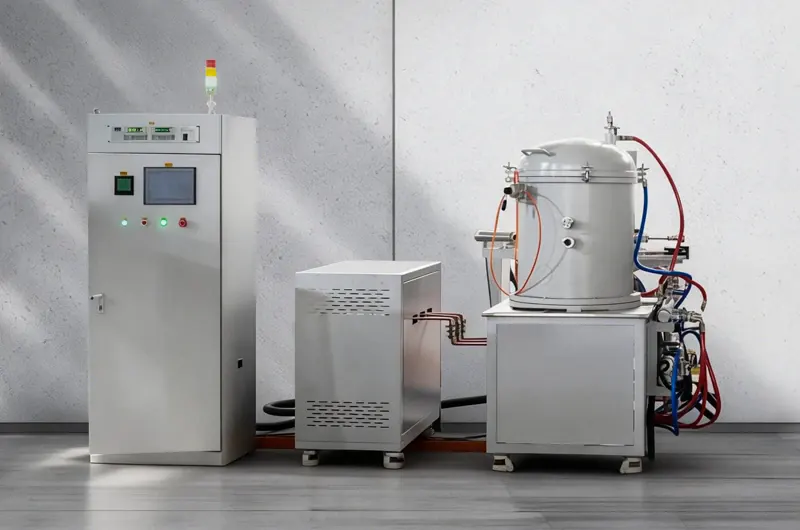
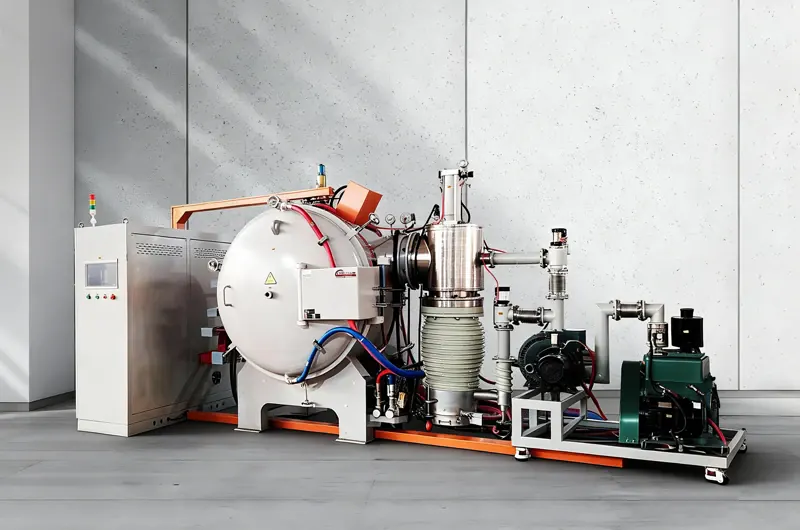
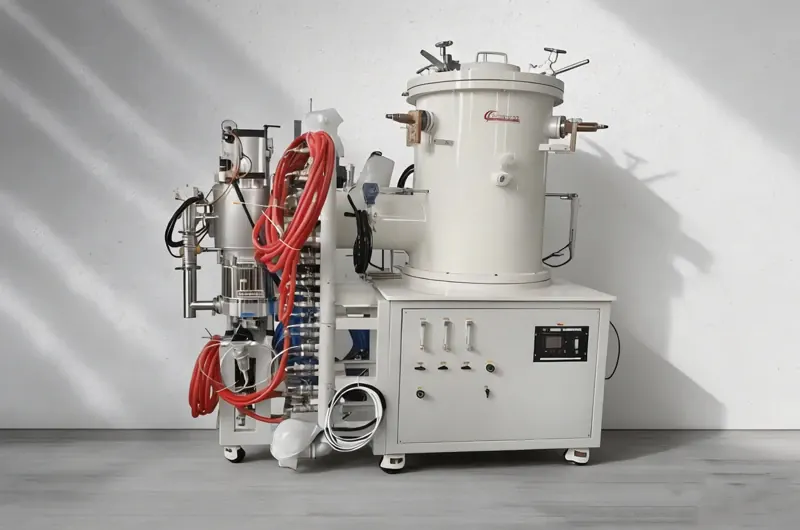
Brother Furnace's vacuum sintering furnaces are engineered for high-purity, oxide-free sintering of metals, ceramics, hard alloys, and advanced composite materials.
Whether you need a powder metallurgy sintering furnace, a MIM sintering furnace for metal injection molding parts, or a cemented carbide sintering furnace for WC-Co hard metals, our lineup covers the full spectrum from 750°C to 2400°C.
By maintaining a precisely controlled vacuum environment throughout the sintering cycle, our furnaces eliminate surface oxidation and contamination, ensuring superior density, mechanical strength, and dimensional accuracy of sintered parts.
All models support optional debinding and sintering in a single cycle, reducing process time and handling costs.
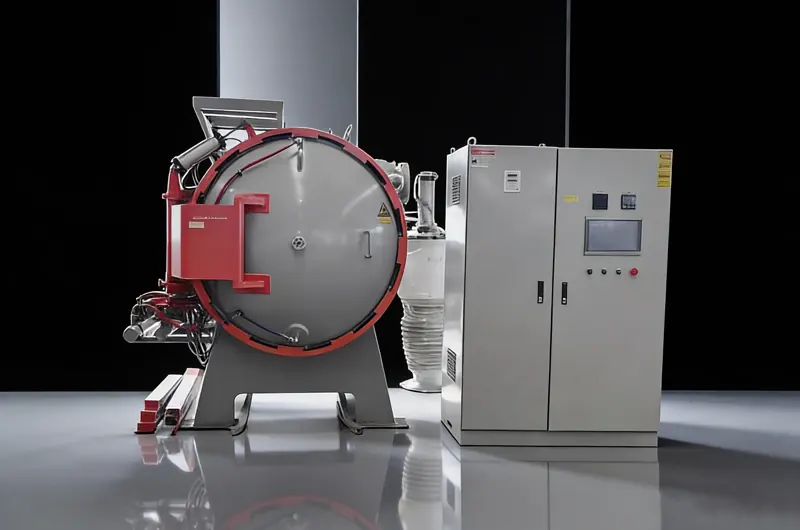
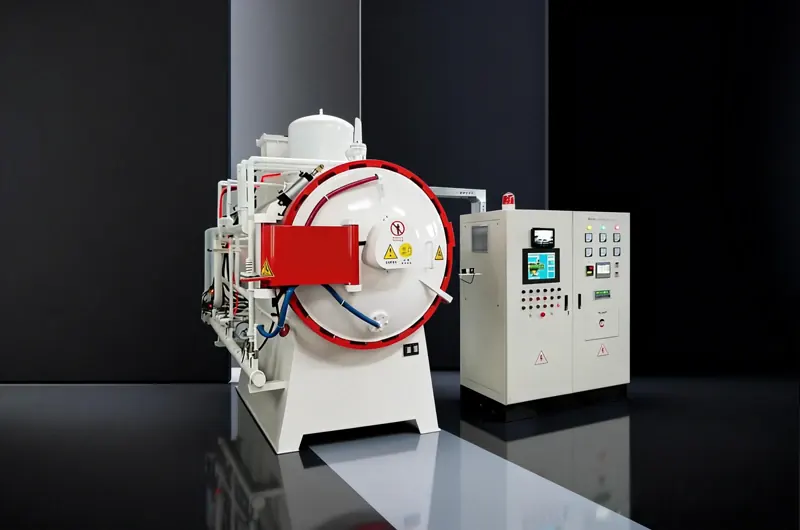
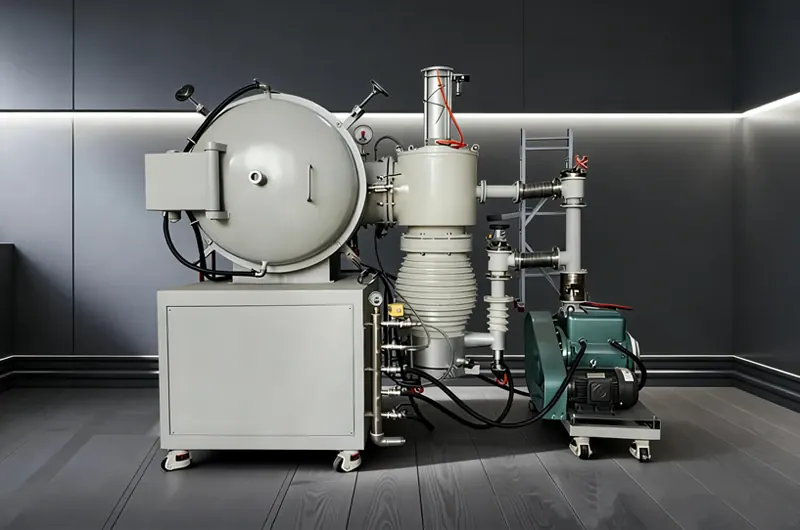
Vacuum Heat Treatment Furnace
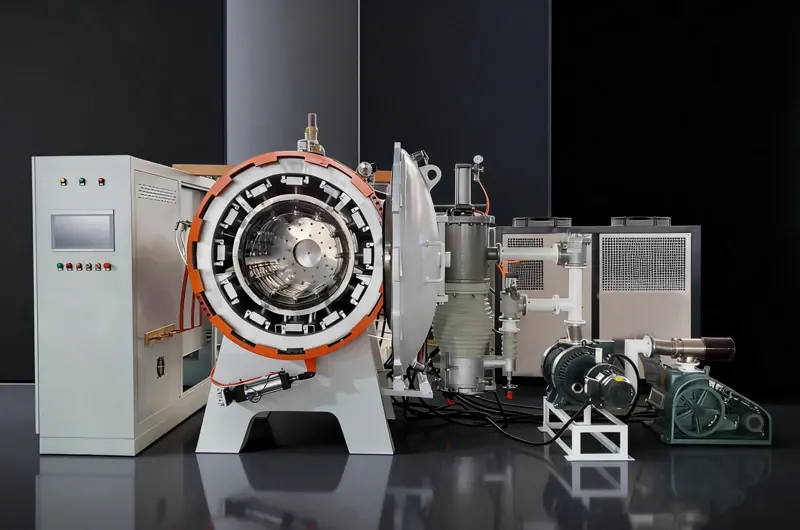
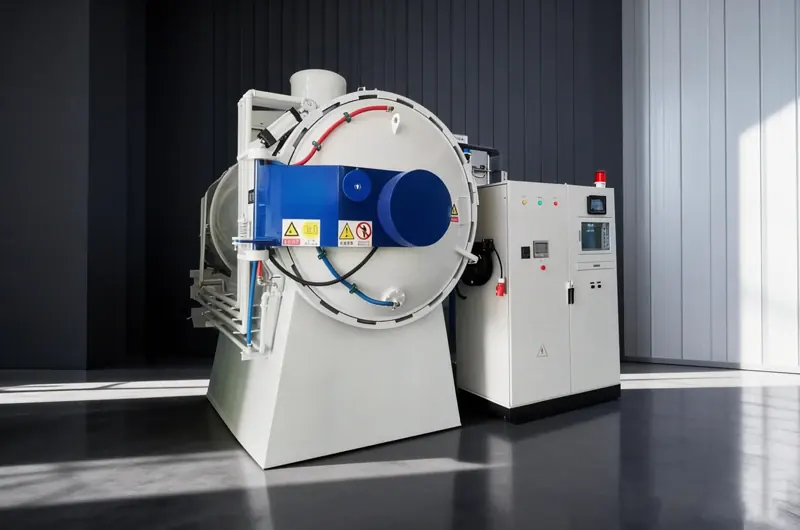
Our vacuum heat treatment furnaces provide a clean, controlled environment for vacuum quenching, vacuum annealing, vacuum tempering, and vacuum normalizing of high-value metallic components.
The absence of oxygen and reactive gases eliminates surface discoloration, decarburization, and distortion — delivering bright hardened parts ready for use with minimal post-processing.
Our vacuum hardening furnaces are widely used in tool steel heat treatment, aerospace component processing, automotive die mold manufacturing, and medical device production.
All models feature programmable multi-segment temperature profiles and precise atmosphere backfill control for repeatable, traceable results.
Vacuum Quenching Furnace
Achieve rapid, uniform vacuum hardening of tool steels, high-speed steels, and high-alloy steels without oxidation, decarburization, or intergranular corrosion. Two quenching media options to match your material and cooling rate requirements.
Vacuum Annealing, Tempering & Normalizing Furnaces
Complete vacuum thermal processing solutions for stress relieving, grain refinement, ductility restoration, and microstructural control — without the need for protective gas blankets.
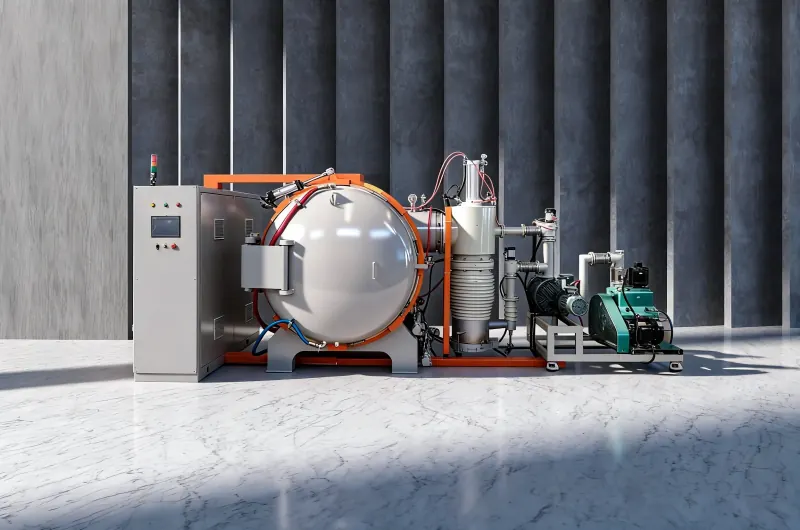
Vacuum Brazing Furnace
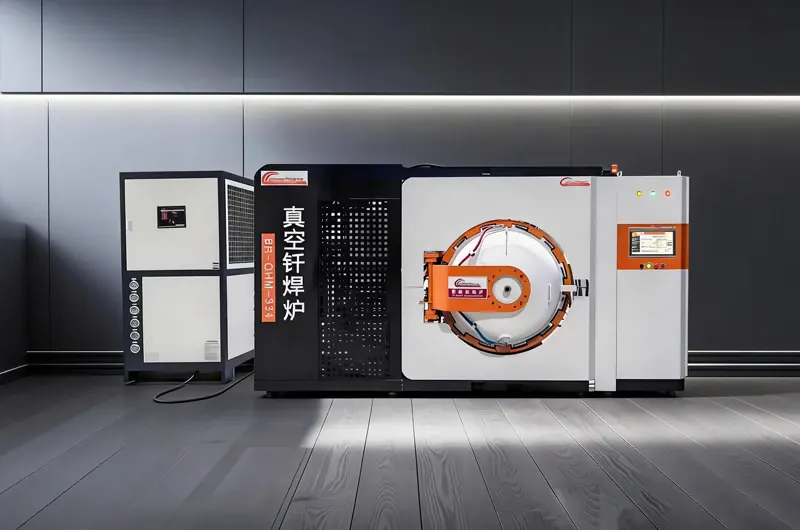
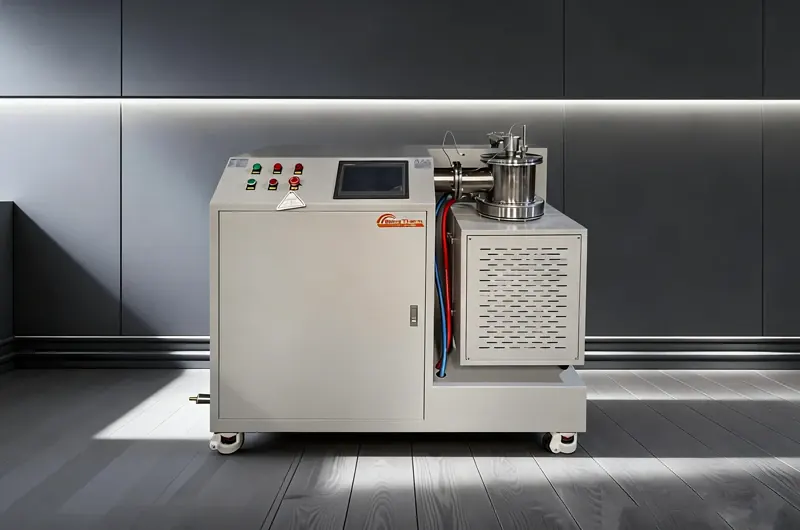
Brother Furnace's vacuum brazing furnaces produce exceptionally clean, flux-free brazed joints with high strength and excellent corrosion resistance.
Unlike conventional brazing, vacuum furnace brazing eliminates flux residues and post-braze cleaning, making it the preferred method for aerospace vacuum brazing, heat exchanger brazing, hermetic sealing, and carbide tool brazing.
Our furnaces handle a wide range of base metals — stainless steel, titanium, nickel alloys, copper, and aluminum — with filler alloys including nickel, silver, copper, and gold-based brazing alloys.
Vacuum Induction Melting Furnaces (VIM)
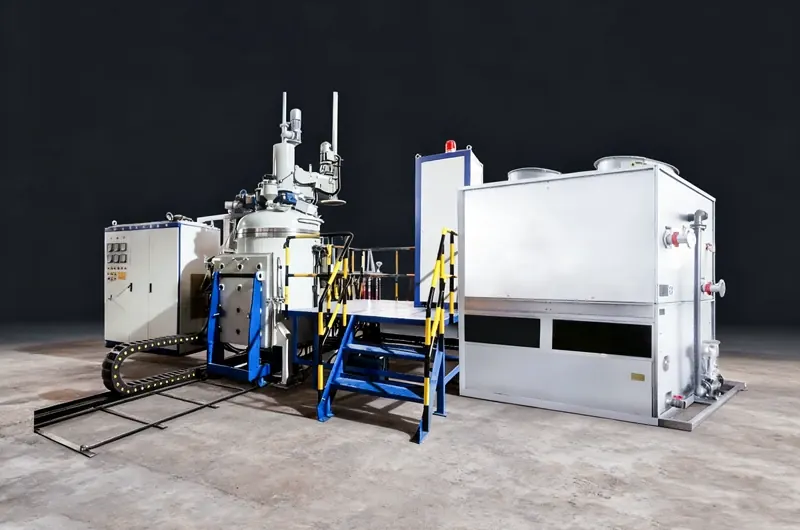
Brother Furnace's Vacuum Induction Melting (VIM) furnaces use medium-frequency electromagnetic induction to melt and refine metals under vacuum or controlled inert atmosphere conditions.
This clean alloy production process enables precise chemical composition control, minimal dissolved gas content (O, N, H), and superior metallurgical quality — making VIM the essential technology for nickel superalloy melting, titanium alloy production, specialty steel refining, and advanced functional material development.
Our VIM furnaces serve as a cost-effective alternative to vacuum arc remelting (VAR) for many R&D and small-batch production applications.
Box Furnaces (Muffle Furnaces)
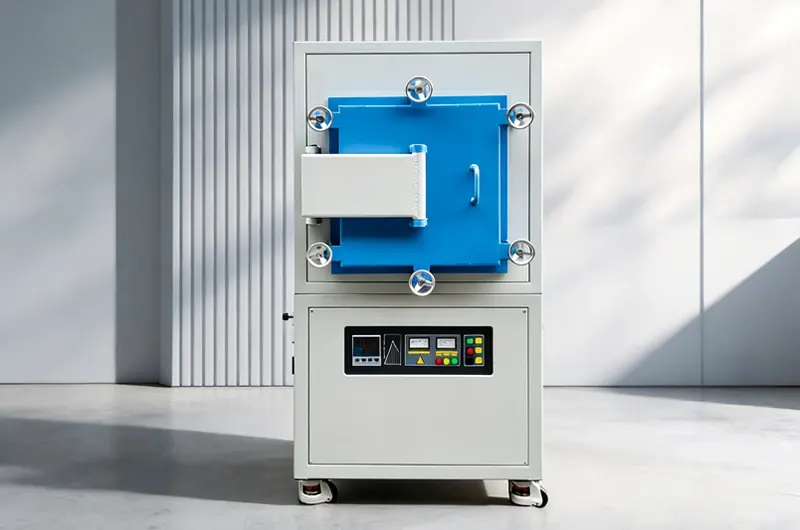
Brother Furnace's box furnaces, also known as muffle furnaces or chamber furnaces, provide a clean, enclosed heating chamber for ashing, calcination, heat treatment, and sintering of small samples.
Available from 1200°C to 1800°C with multiple heating element options, our programmable muffle furnaces are trusted by universities, quality control laboratories, and industrial R&D centers worldwide.
Multiple door-opening configurations — including top-opening, bottom-opening, left, right, and sliding-door designs — ensure compatibility with any laboratory layout and sample loading requirement.
| Model | Max Temperature | Heating Element | Typical Applications |
|---|---|---|---|
| BF-1200 | 1200°C | Resistance Alloy Wire | Ashing, annealing, general heat treatment, sample preparation |
| BF-1400 | 1400°C | Silicon Carbide (SiC) | Ceramic sintering, glass frit, catalyst calcination, ash testing |
| BF-1700 | 1700°C | MoSi₂ (Molybdenum Disilicide) | Advanced ceramics, refractory material testing, high-temp sintering |
| BF-1800 | 1800°C | MoSi₂ Super Grade | Ultra-high temperature sintering, specialty materials R&D, UHTC research |
Door Opening Configurations
To accommodate different laboratory setups and sample loading requirements, our box furnaces are available in multiple door configurations. Choose the design that best fits your workflow and workspace.
Top-opening models are ideal for loading heavy or large samples from above using overhead cranes or hoists. Bottom-opening designs support specialized hanging fixtures and downward-loading workflows. Sliding-door variants minimize the footprint in space-constrained laboratories. All configurations support programmable multi-segment temperature control with PID or PLC controllers for repeatable calcination, ashing, and laboratory sintering processes.
Atmosphere Furnaces
Brother Furnace's atmosphere furnaces allow heat treatment and sintering under precisely controlled gas environments, including reducing atmosphere furnace operation with H₂ or forming gas, inert atmosphere furnace processing with Ar or N₂, and oxidizing atmosphere for controlled oxidation studies.
By eliminating unwanted chemical reactions, our controlled atmosphere furnaces enable reduction annealing, powder debinding, MLCC sintering, fuel cell component processing, and magnetic material annealing with consistent, reproducible results.
The hydrogen atmosphere furnace models include full safety systems — automatic gas purging, flame arresters, and leak detection — for safe H₂ operation in laboratory environments.
Tube Furnaces
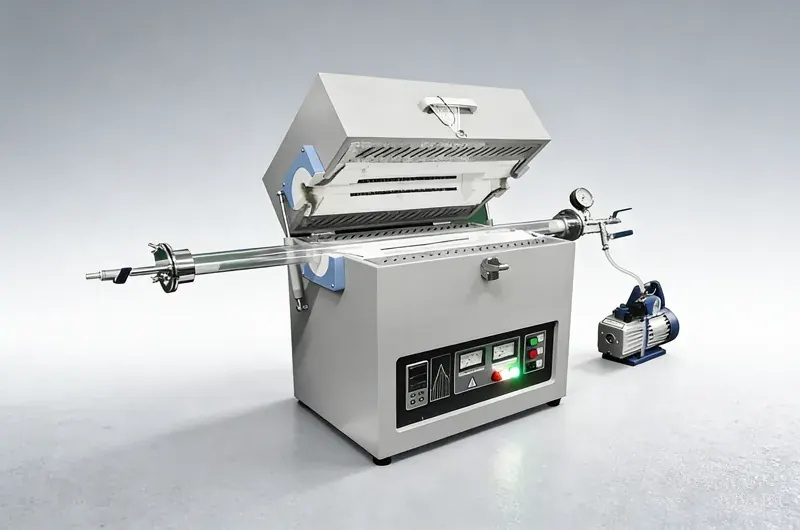
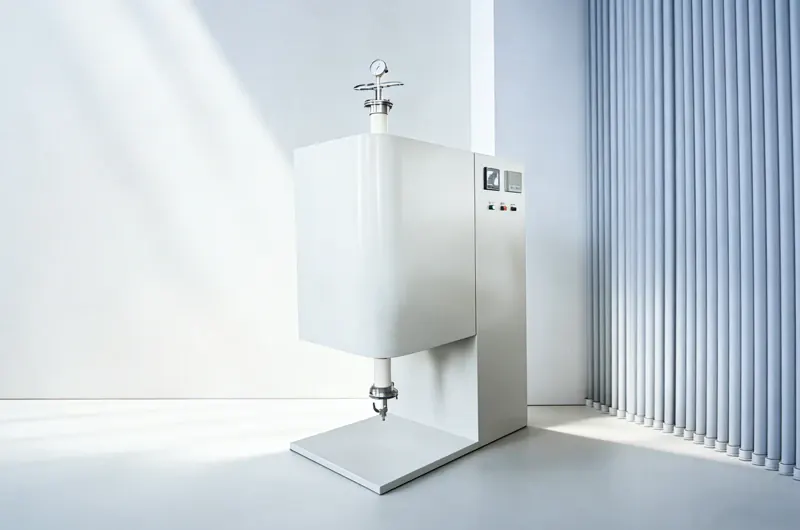
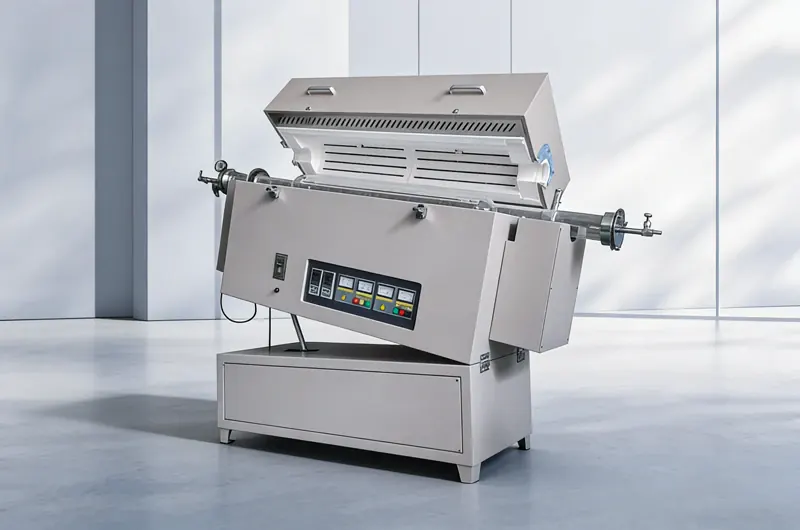
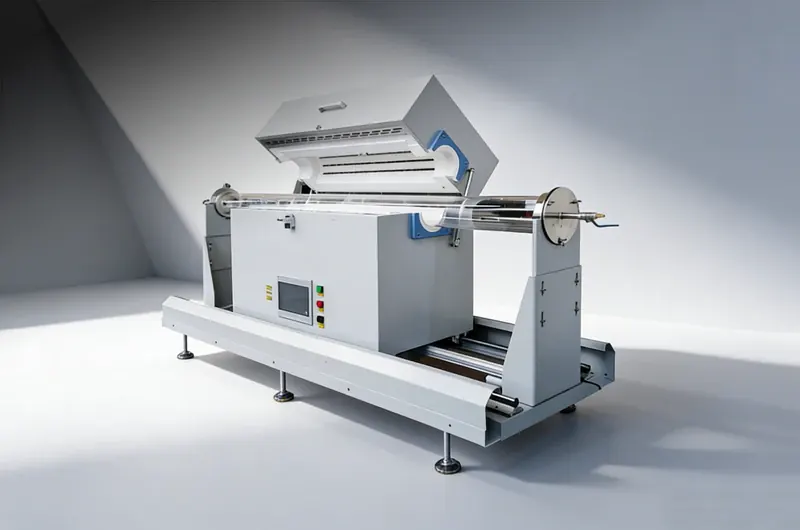
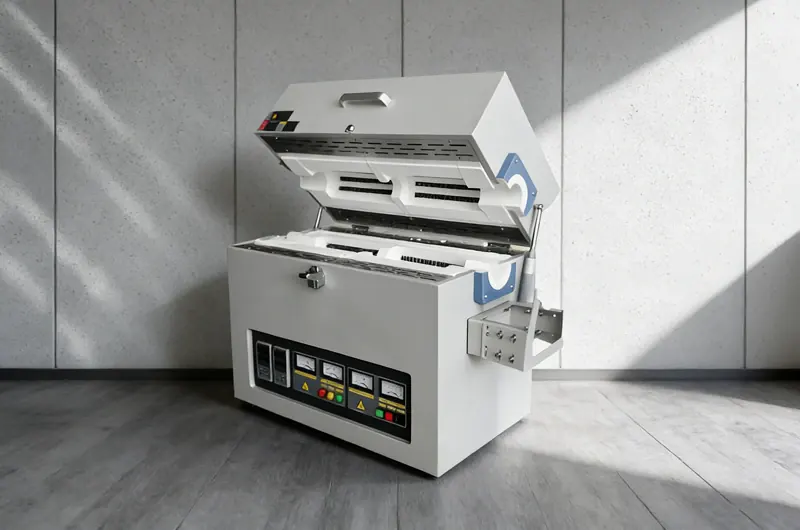
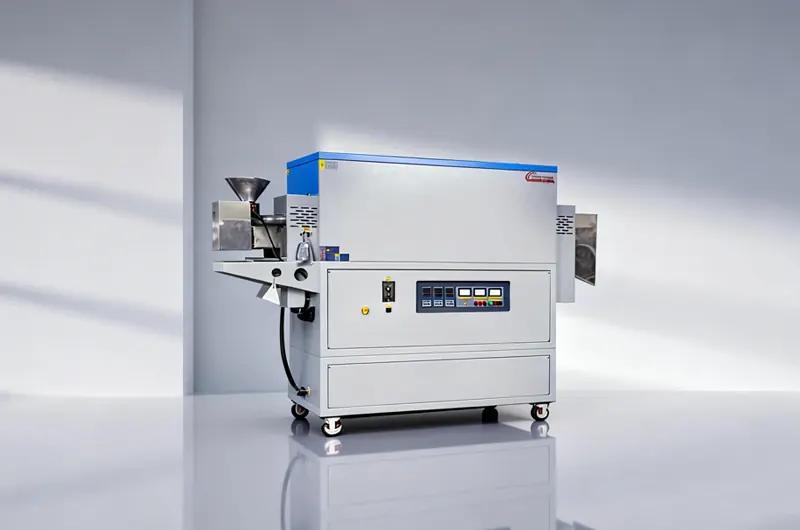
Brother Furnace's tube furnaces provide a precise, uniform heating zone within a cylindrical work tube, making them ideal for CVD tube furnace applications, gas-solid reactions, chemical vapor deposition (CVD), PECVD processing, and small-sample heat treatment under controlled atmosphere.
Our range includes horizontal tube furnaces, vertical tube furnaces, rotary tube furnaces, split tube furnaces, fast-cooling tube furnaces, and multi-zone tube furnaces — covering the full spectrum of laboratory and pilot-scale thermal processing needs.
All models are compatible with quartz, alumina, and silicon carbide work tubes, and support atmosphere or vacuum operation.
Crucible Furnaces
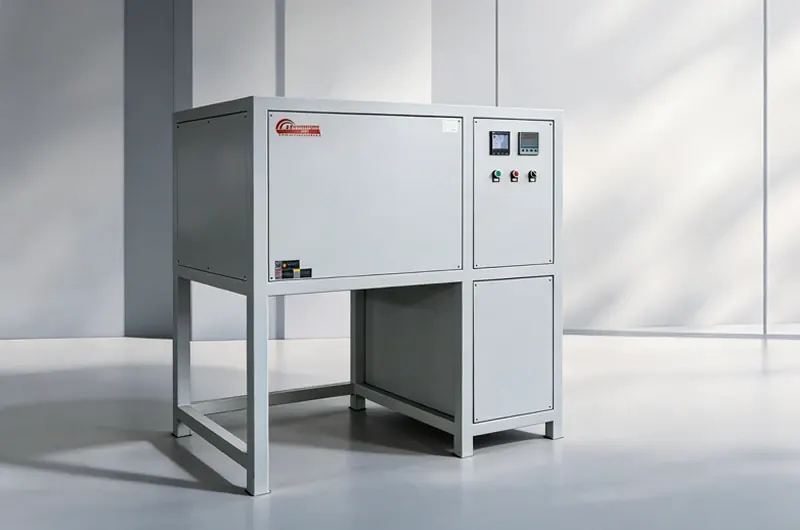
Brother Furnace's laboratory crucible furnaces provide a simple, reliable, and cost-effective solution for non-ferrous metal melting, glass frit preparation, salt bath processing, and low-melting-point alloy melting in laboratory and small production settings.
The open-top design allows easy access for sampling, stirring, and pouring, making it the preferred choice for aluminum alloy melting, zinc alloy casting, and flux melting in metallurgical laboratories and educational institutions.
Trusted Across Demanding Industries
From aerospace heat treatment to battery material RD, Brother Furnace equipment is deployed in the most demanding thermal processing environments worldwide. Our industrial furnace solutions serve a broad range of sectors requiring precision, repeatability, and contamination-free processing.
Why Global Manufacturers & Researchers Trust Brother Furnace
From factory-direct pricing to lifetime engineering support, we are committed to being more than just a vacuum furnace supplier — we are your long-term thermal processing partner.
Factory-Direct Vacuum Furnace Manufacturer
As a direct industrial furnace manufacturer, we eliminate intermediary markups and maintain full quality control from raw material sourcing to final acceptance testing. Every custom vacuum furnace is built and inspected in our own facility before shipment.
Full OEM & Custom Furnace Design
Our engineering team works closely with customers to customize chamber dimensions, temperature profiles, vacuum levels, atmosphere configurations, and control systems. OEM furnace manufacturing and custom furnace design are core competencies — no two applications are identical.
Precision Temperature & Process Control
All furnaces feature PID or PLC-based programmable temperature controllers with multi-segment profiles, data logging, and remote monitoring options — ensuring repeatable, traceable thermal cycles critical for production-grade heat treatment and research consistency.
Comprehensive After-Sales Support
From installation guidance and operator training to spare parts supply and remote troubleshooting, our after-sales team provides responsive, long-term support. We stock critical consumables including heating elements, vacuum pump oil, thermocouples, and furnace insulation materials.
Global Export & Logistics Experience
We have successfully shipped industrial vacuum furnaces and laboratory electric furnaces to customers in North America, Europe, Southeast Asia, the Middle East, and beyond. Our logistics team handles export documentation, wooden crating, and customs requirements end-to-end.
Serving Both Industry & Academia
Our equipment is trusted by procurement engineers in aerospace heat treatment facilities, powder metallurgy plants, and cutting tool manufacturers, as well as by researchers in universities, national laboratories, and materials science institutes worldwide.
Frequently Asked Questions
Common questions from engineers, procurement managers, and researchers evaluating Brother Furnace equipment for their thermal processing applications.
A vacuum sintering furnace removes all gas from the chamber before and during the sintering cycle, achieving the highest level of contamination-free processing. This is ideal for reactive metals (titanium, tungsten), cemented carbides, and materials sensitive to trace oxygen or nitrogen. An atmosphere sintering furnace replaces air with a controlled gas (H₂, N₂, Ar) rather than pulling a vacuum — typically lower in capital cost and suitable for materials that benefit from a specific reactive or inert gas environment. Many applications can use either; our engineers can advise on the optimal choice for your material and process.
Yes — all Brother Furnace products support full customization. We regularly customize hot zone dimensions, maximum operating temperature, vacuum level, atmosphere gas compatibility, quenching media, loading configuration, and control system (PID, PLC, SCADA integration). Please share your process parameters and we will provide a tailored technical proposal within 24 hours.
Our vacuum furnaces cover a wide range depending on the model and pump configuration. Standard models achieve 10⁻³ Pa (medium vacuum) with a rotary vane pump, while high-performance models equipped with a diffusion pump or turbomolecular pump reach 10⁻⁴ to 10⁻⁵ Pa (high vacuum). Ultra-high vacuum configurations are available on request for specialized research applications requiring <10⁻⁵ Pa.
Standard laboratory furnaces (muffle furnaces, tube furnaces, crucible furnaces) typically ship within 2–4 weeks. Custom vacuum furnaces — including vacuum sintering, brazing, heat treatment, and VIM furnaces — generally require 6–12 weeks depending on specification complexity and current production schedule. We provide a firm delivery timeline with every confirmed order.
Yes. All furnace shipments include comprehensive operation manuals, wiring diagrams, and maintenance guides. For larger vacuum furnace systems, we offer remote video-guided installation support and online operator training. On-site commissioning and training services are available upon request for customers requiring in-person support.
Brother Furnace equipment is deployed across a wide range of industries including aerospace & defense (turbine blade heat treatment, superalloy sintering), automotive & EV (tool steel hardening, battery material synthesis), medical devices (titanium implant annealing, surgical tool brazing), electronics & semiconductors (MLCC sintering, magnetic material annealing), powder metallurgy & MIM, cemented carbide & cutting tools, and university & research laboratories worldwide. If you are unsure whether our equipment fits your application, contact our engineers for a free consultation.
Vacuum gas quenching uses high-pressure inert gas (N₂ or Ar) to cool the workpiece after heating. It produces bright, distortion-free parts with no residue and is ideal for complex-shaped components, high-speed steels, and mold steels. Vacuum oil quenching uses quench oil as the cooling medium, achieving faster cooling rates — necessary for materials like bearing steels and carburized parts that require a higher critical cooling rate to achieve full hardness. Our engineers can recommend the right quenching method based on your material grade and required hardness profile.