
40%
Energy Saving vs Brick-Lined
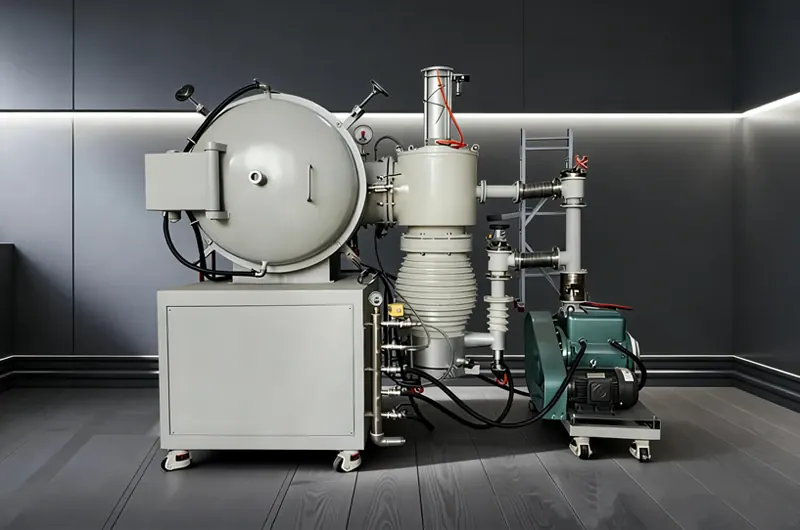
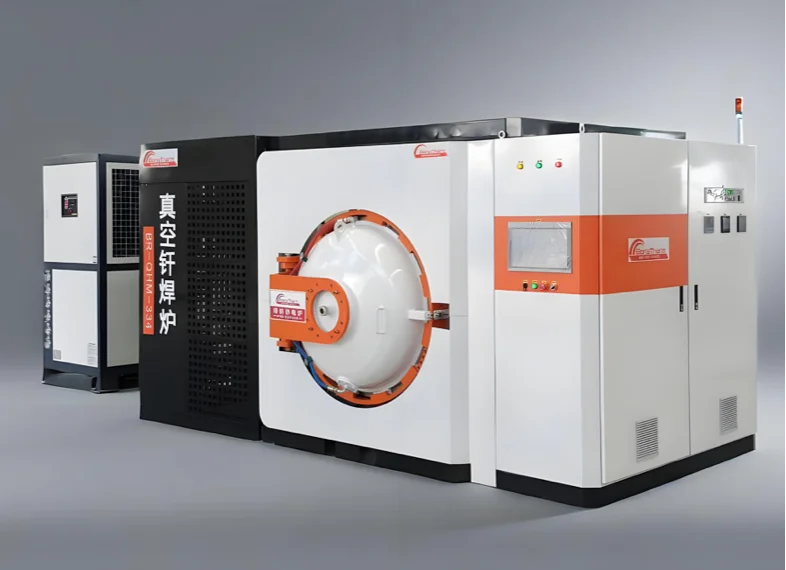
The Vacuum Normalizing Furnace is a professional industrial vacuum heat treatment furnace designed for bright normalizing treatment of alloy steel, tool steel, bearing steel, spring steel and precision industrial components.
Compared with traditional atmosphere heat treatment furnaces, vacuum normalizing technology prevents oxidation, decarburization and surface contamination during thermal processing. This allows the workpiece to maintain a clean and bright surface finish after heat treatment process.
The vacuum normalizing process improves metallographic structure, refines grain size, enhances mechanical properties and increases structural stability. Modern industrial vacuum furnaces are widely used in automotive manufacturing, aerospace industry, mold manufacturing, bearing production and precision machinery processing.
Vacuum heat treatment technology also provides better temperature uniformity, cleaner production environment and more stable heat treatment quality compared with conventional furnace systems.
Modern vacuum heat treatment technology provides excellent metallurgical performance, high surface quality and precise temperature control for industrial manufacturing applications.
Vacuum atmosphere prevents oxidation and scale formation during heating process, ensuring clean and bright surface finish after thermal processing.
Vacuum heat treatment protects steel surface from carbon loss, maintaining excellent hardness and mechanical properties.
Precise temperature control system ensures stable metallographic structure and reliable heat treatment quality.
Advanced gas cooling system improves cooling efficiency, production productivity and material performance.
Siemens PLC control system supports automatic process control, recipe storage and industrial data monitoring.
Optimized thermal insulation system and heating structure reduce energy consumption significantly.
The vacuum normalizing process combines vacuum heating technology with high pressure gas cooling system to achieve excellent metallurgical performance.
The workpieces are loaded into the vacuum furnace chamber using fixtures or loading systems.
The vacuum pump system removes air and oxygen from the chamber environment.
Heating elements raise the temperature to preset normalizing temperature.
The material is held at target temperature for metallographic transformation.
Nitrogen or argon gas is introduced for high pressure forced cooling process.
The workpieces achieve improved mechanical properties and bright surface finish.
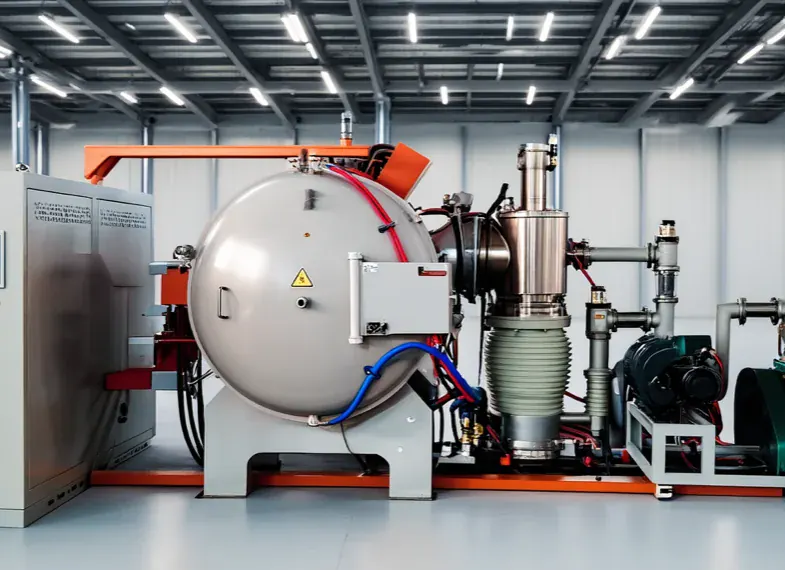
The heating system is one of the most important components of industrial vacuum heat treatment furnace equipment. It directly affects heating efficiency, temperature uniformity and overall heat treatment quality.
Modern vacuum normalizing furnaces commonly use graphite heating elements or molybdenum heating elements according to different industrial heat treatment applications and process requirements.
Graphite heating elements provide excellent thermal efficiency, fast heating speed and high temperature performance. They are widely used for alloy steel heat treatment, tool steel heat treatment and industrial manufacturing applications.
Molybdenum heating elements are suitable for high cleanliness vacuum heat treatment environments where carbon contamination must be minimized. They are commonly used in aerospace industry and high precision industrial applications.
Advanced thermal insulation systems are also integrated into modern vacuum furnace structures to improve energy efficiency and maintain excellent temperature stability during heating process.
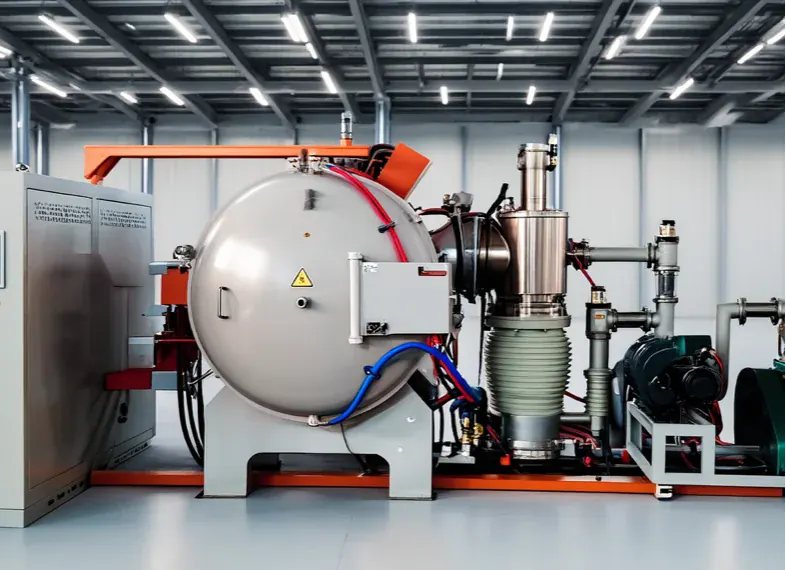
The gas cooling system is one of the core technologies of modern vacuum normalizing furnaces. It directly influences cooling speed, metallographic structure and final mechanical properties of the processed materials.
Industrial vacuum furnaces commonly use nitrogen gas or argon gas for forced circulation cooling process. High power cooling fans and heat exchangers rapidly remove heat from the workpieces while maintaining stable cooling uniformity.
High pressure gas cooling technology provides excellent cooling performance while avoiding oxidation and contamination risks associated with traditional atmosphere cooling methods.
Cooling pressure typically ranges from 2 bar to 20 bar depending on material type, workpiece size and industrial process requirements. Higher cooling pressure improves cooling efficiency and enhances heat treatment productivity.
Compared with conventional air cooling systems, high pressure gas cooling provides better structural stability, lower deformation risk and more consistent heat treatment quality.
Vacuum normalizing furnaces are widely used for industrial heat treatment of steel materials and precision mechanical components.
Vacuum heat treatment for gears, shafts, bearings, transmission components and precision automotive parts.
Heat treatment solution for aerospace alloy components and high strength industrial materials.
Bright normalizing process for tool steel, die steel and high speed steel materials.
Industrial vacuum heat treatment for precision machinery and mechanical manufacturing applications.
Bearing steel vacuum heat treatment improves mechanical properties, fatigue resistance and hardness uniformity.
Vacuum normalizing improves strength, elasticity and structural stability of spring steel materials.
Vacuum normalizing, vacuum annealing and vacuum quenching are different industrial heat treatment processes with different metallurgical objectives and cooling methods.
Vacuum annealing is mainly used to reduce hardness, improve machinability and relieve internal stress. The cooling process is relatively slow to obtain softer material structure.
Vacuum quenching uses rapid cooling process to improve hardness and wear resistance. It is commonly used for tool steel, mold steel and high strength alloy materials.
Vacuum normalizing is designed to refine grain structure, improve mechanical properties and achieve uniform metallographic structure while maintaining clean and bright surface quality.
Compared with traditional atmosphere heat treatment methods, vacuum heat treatment technology provides better surface protection, improved temperature control and more stable industrial processing performance.
Customized industrial vacuum furnace solutions are available according to customer heat treatment requirements.
| Item | Specification |
|---|---|
| Product Name | Vacuum Normalizing Furnace |
| Maximum Temperature | 1350℃ |
| Working Temperature | 850℃ – 1200℃ |
| Temperature Uniformity | ±3℃ |
| Ultimate Vacuum | 6.7×10⁻³ Pa |
| Cooling Pressure | 2 Bar – 20 Bar |
| Heating Element | Graphite / Molybdenum |
| Cooling Gas | Nitrogen / Argon |
| Vacuum Pump System | Mechanical Pump + Roots Pump + Diffusion Pump |
| Control System | Siemens PLC Intelligent Control |
| Loading Capacity | 100 – 5000 KG |
| Chamber Size | Customized |
| Power Supply | Customized According To Customer Requirement |
Learn more about vacuum normalizing furnace systems, industrial heat treatment process and gas cooling technology.
Vacuum normalizing is a heat treatment process performed under vacuum conditions to improve metallographic structure and prevent oxidation during heating process. Compared with conventional atmosphere normalizing, vacuum heat treatment eliminates oxygen and moisture from the furnace chamber, resulting in a bright surface finish with no oxidation or decarburization. The process is widely used for alloy steel, tool steel, bearing steel and precision industrial components that require stable mechanical properties and high surface quality.
Normalizing and annealing are both heat treatment processes, but they serve different purposes. Vacuum normalizing is mainly used to refine grain structure, improve mechanical strength and achieve more uniform metallographic properties. The cooling rate is faster than annealing, resulting in higher hardness and improved structural stability. Vacuum annealing, by contrast, uses slower cooling to reduce hardness, improve machinability and relieve internal stress. Both processes benefit from vacuum atmosphere protection, which prevents oxidation and surface contamination.
Nitrogen and argon are the most commonly used gases in high pressure gas cooling systems for industrial vacuum heat treatment furnaces. Nitrogen is widely used because of its cost efficiency and excellent cooling performance for most steel materials. Argon is typically used for high-value materials and applications requiring extremely clean atmosphere conditions. The gas cooling system circulates the cooling gas through high-speed fans and heat exchangers to ensure efficient and uniform cooling performance.
Vacuum normalizing furnaces are suitable for a wide range of industrial materials, including alloy steel, tool steel, bearing steel, spring steel, stainless steel and die steel. Typical applications include gears, shafts, bearing rings, cutting tools, molds and precision machinery components. The vacuum heating environment is especially beneficial for materials that require bright surface finish, precise temperature control and stable metallographic structure after heat treatment.
Yes. The furnace can be fully customized according to customer production requirements. Chamber size, loading capacity, cooling pressure, heating system configuration, vacuum pump system and PLC control functions can all be adjusted based on workpiece dimensions and heat treatment process requirements. Optional configurations such as automatic loading systems, remote monitoring functions and industrial IoT integration are also available.
Graphite heating elements and molybdenum heating elements are commonly used depending on industrial process requirements. Graphite heating systems provide excellent thermal efficiency, fast heating speed and high temperature capability, making them ideal for general industrial heat treatment applications. Molybdenum heating elements are recommended for high cleanliness processes where carbon contamination must be minimized, such as aerospace and precision material applications.
The standard temperature uniformity of the vacuum normalizing furnace is typically ±3°C within the effective working zone. This high level of temperature consistency ensures uniform metallographic transformation and stable mechanical properties across the entire load. For aerospace and precision industrial applications, tighter temperature control configurations are also available upon request.
The furnace typically achieves an ultimate vacuum level of 6.7×10⁻³ Pa using a combination of mechanical pumps, roots pumps and diffusion pumps. Maintaining a stable high vacuum environment during heating process helps eliminate oxidation, reduce contamination and improve overall heat treatment quality for precision metal components.
Brother Furnace provides complete after-sales support including installation guidance, commissioning assistance, operator training and technical troubleshooting. Remote diagnostic support and spare parts service are available worldwide. All vacuum furnace systems are tested before shipment, and detailed operation manuals together with electrical drawings are included with every machine.